If You're Arrested: A Step-By-Step Guide
- You have the right to remain silent.
- Say only what’s required: your name, date of birth, and address. You do not have to answer other questions without a lawyer.
- Ask politely: “Am I being detained, or am I free to go?”
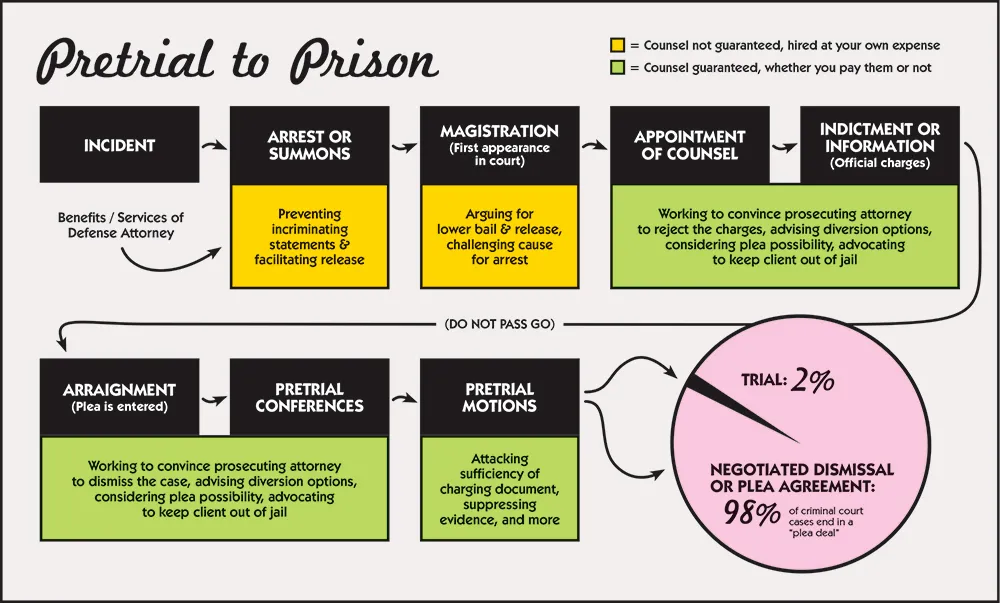
- You have the right to a lawyer. If you can’t afford one, the court can appoint one for you.
- Tell officers you are invoking your right to remain silent until you speak with your lawyer.
- Your lawyer must meet you privately and keep your information confidential.
- Your lawyer can provide an interpreter if needed.
- Use a clear script: “I’m choosing to remain silent and would like to speak with my lawyer.”
- Do not sign anything or give statements without legal advice. If pressured, repeat your request for co-unsel.
- Your lawyer should:
- Contact you promptly (typically within 4 working days, charges may affect timing).
- Speak with your family if you want.
- Learn your story, review evidence, and talk to witnesses for you.
- Seek release with the fewest conditions possible.
- Explain your charges, court dates, your right to a trial, and case progress.
- Be honest, even with difficult news.
- If these basics aren’t happening, you can ask the judge for a new lawyer
- Go to trial or take a plea.
- Help prepare your defense.
- Choose a judge or jury trial.
- Decide whether to testify.
- Request fee waivers if you can’t afford court costs.
- If you’re not a U.S. citizen: ask about immigration consequences; your lawyer can contact your consulate
-
You have the right to a lawyer. If you cannot afford one, the court will appoint one for you.
-
You do not have to answer questions without a lawyer present..
-
Your lawyer must meet you privately and keep your information confidential.
-
Your lawyer can provide an interpreter if needed.
-
📞 512-477-6000
-
📞 512-637-5220
(Mon 12-5pm; Thu 10am - 1pm) -
📞 512-374-2700
https://trla.org -
📞 512-270-1515
-
📞 512-454-4816 / 800-252-9108
📧 disablitityrightstx.org